🧘♀️ Yoga and Neuroscience: A Journey to Transform Your Brain and Mind 🧠
🔹 Introduction
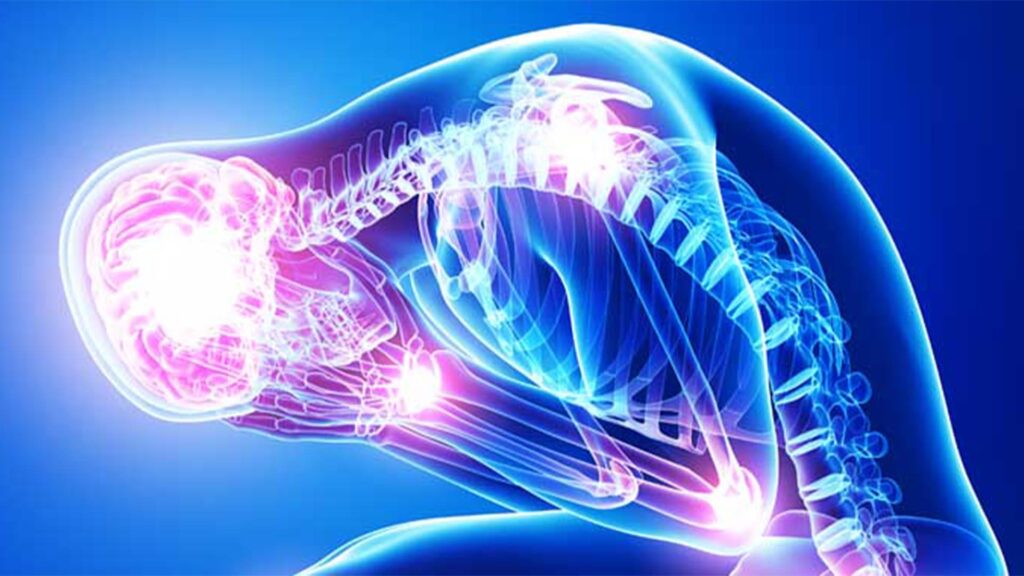
Yoga, with its thousands of years of history, is far more than a physical exercise—it’s a powerful tool for enhancing mental health and brain function. This ancient practice, blending physical postures (asanas), rhythmic breathing (pranayama), and meditation 🧘♂️, has captured the attention of neuroscientists in recent years. Research reveals that yoga can reshape the brain’s structure and function, improving memory, focus, and emotional regulation, while also helping manage neurological conditions like ADHD. In this article, we embark on an engaging exploration of yoga’s impact on the brain, grounded in the latest scientific findings, presented in a clear and captivating way.
🔹 How Yoga Transforms the Brain
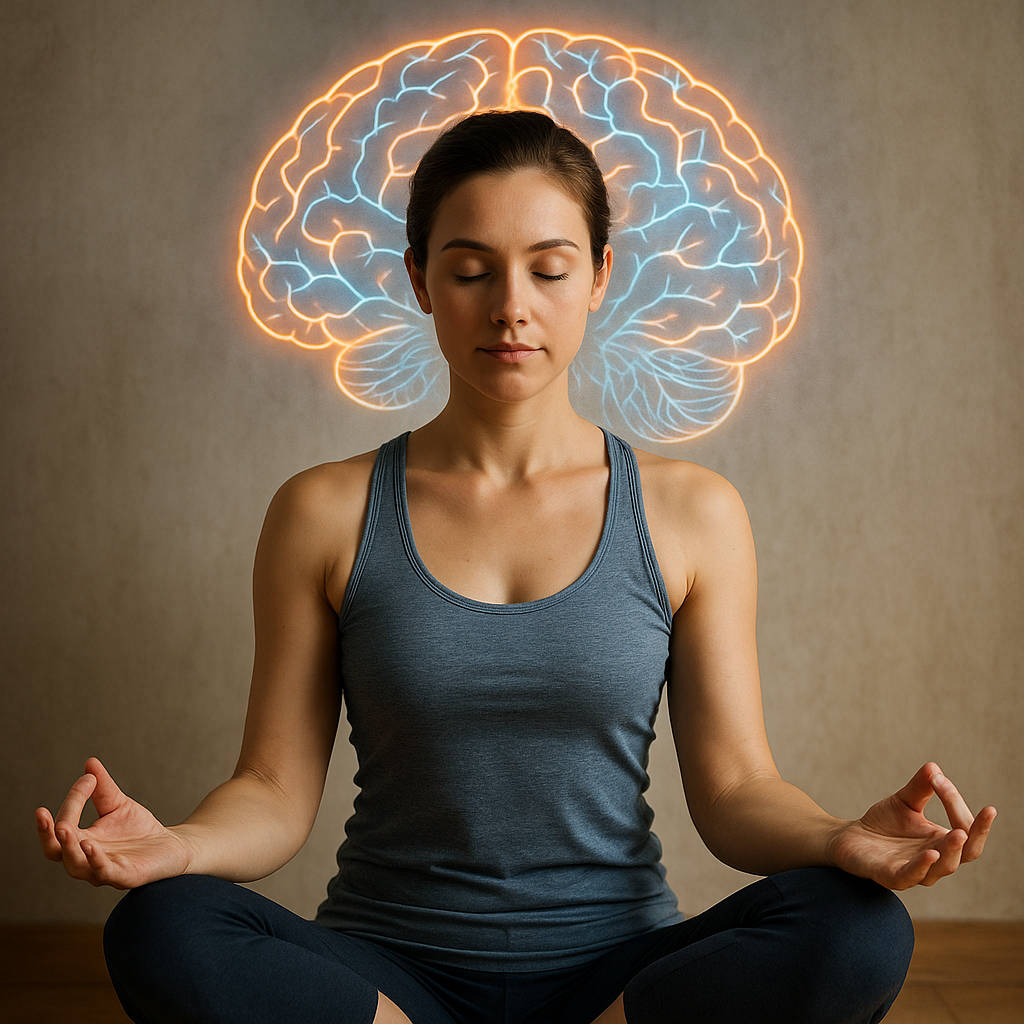
Imagine your brain as a garden 🌱, with yoga as the skilled gardener nurturing neurons and strengthening neural pathways. Neuroscience studies, using advanced imaging techniques like MRI and fMRI 🧬, show that yoga can increase gray matter volume in key brain regions such as the hippocampus (the hub of memory and learning) and the prefrontal cortex (responsible for decision-making and cognitive control). These changes translate to sharper memory 🧠, better focus, and greater resilience to stress 💪.
Moreover, yoga enhances connectivity between different parts of the brain. The default mode network (DMN), linked to self-awareness and deep reflection, shows improved coordination in regular yoga practitioners. This heightened connectivity helps you stay present and navigate life’s challenges with greater calm and clarity 🌈.
🔹 Yoga and Children: A Beacon of Hope for ADHD 👶
One of the most exciting applications of yoga in neuroscience is its impact on children with Attention-Deficit/Hyperactivity Disorder (ADHD). Yoga and breathing exercises can improve attention 🎯, reduce impulsive behaviors 🚫, and calm hyperactivity 🔄. Remarkably, studies have shown that these benefits can persist for months after the practice ends. For parents and educators seeking non-pharmacological ways to support children, this is a promising breakthrough 🌟.
🔹 The Magic Mechanisms of Yoga ✨
How does yoga work its wonders on the brain? The answer lies in its unique combination of practices:
- 🧘♀️ Asanas (Physical Postures): Boost blood flow to the brain and lower cortisol levels (the stress hormone), promoting neuronal health.
- 🌬️ Pranayama (Breathing Exercises): Deep, rhythmic breathing increases oxygen supply to the brain and activates the parasympathetic nervous system, inducing deep relaxation.
- 🧘 Meditation: Strengthens neural pathways for attention and emotional regulation while increasing Brain-Derived Neurotrophic Factor (BDNF), which supports neuron growth.
Together, these practices transform the brain into a hub of neuroplasticity 🔁—where new neural connections form, making the brain more adaptable and resilient.
🔹 Yoga and Mental Health: From Anxiety to Cognitive Decline 🌿
Yoga’s benefits extend beyond children or young adults—it’s a gift for all ages 👵🧘♂️. Research indicates that yoga can increase levels of GABA, a calming neurotransmitter that helps alleviate anxiety and depression 😌. Additionally, studies on older women suggest that yoga may reduce the risk of cognitive decline associated with Alzheimer’s disease 🧓. These findings position yoga as a potential shield 🛡️ against the aging brain.
🔹 Why Yoga Appeals to Everyone 💖
Yoga requires no expensive equipment or large spaces. With just a mat and a few minutes a day, anyone can reap its rewards 🙌. Whether you’re a busy professional seeking peace, a parent supporting a child’s development, or someone aiming to sharpen memory and focus, yoga offers an accessible and effective path forward 🚀.
🔹 Challenges and Future Directions 🔬
Despite its promising results, yoga research is still in its early stages. Variations in yoga styles (like Hatha, Vinyasa, or Kundalini) and the length or intensity of practice lead to different outcomes. For example, a gentle yoga session may affect the brain differently than a vigorous flow 🔄. Researchers are now working on long-term, controlled studies to better understand the precise effects and mechanisms behind yoga’s impact.
🔹 Conclusion: Yoga, the Key to Brain Health 🔐
Yoga is more than a practice—it’s a journey toward harmony of body and mind 🌈. By fostering neuroplasticity, enhancing brain connectivity, and reducing stress, yoga transforms your brain into its most vibrant, functional version 💡. From supporting children with ADHD to protecting against cognitive decline, yoga empowers us to rewrite the story of our mental and physical health 🧘♂️🧠.
So why wait? Roll out a mat 🧘, take a deep breath 🌬️, and take the first step toward a healthier brain and a calmer mind 💙.
Keywords: Yoga 🧘, Neuroscience 🧠, Brain Health 🧓, ADHD 👦, Neuroplasticity 🔁, Meditation 🕯️