Agni in Ayurveda: The Key to Digestive Health and Balance
Agni in Ayurveda
In Ayurveda, Agni (meaning "digestive fire") is one of the most important concepts for maintaining both physical and mental health. It refers to the body's ability to digest food, absorb nutrients, and eliminate toxins. This digestive fire is responsible for vital processes such as metabolism and energy production, making it essential for overall well-being and balance.
Agni is considered the foundational force behind digestion in Ayurveda, and its state significantly impacts life quality, energy levels, mood, and even skin and hair health. When Agni is weak, digestion is impaired, and the body is unable to properly absorb nutrients. This can lead to the accumulation of toxins (Ama) in the body, which affects overall health.
Weak Agni and Digestive Issues
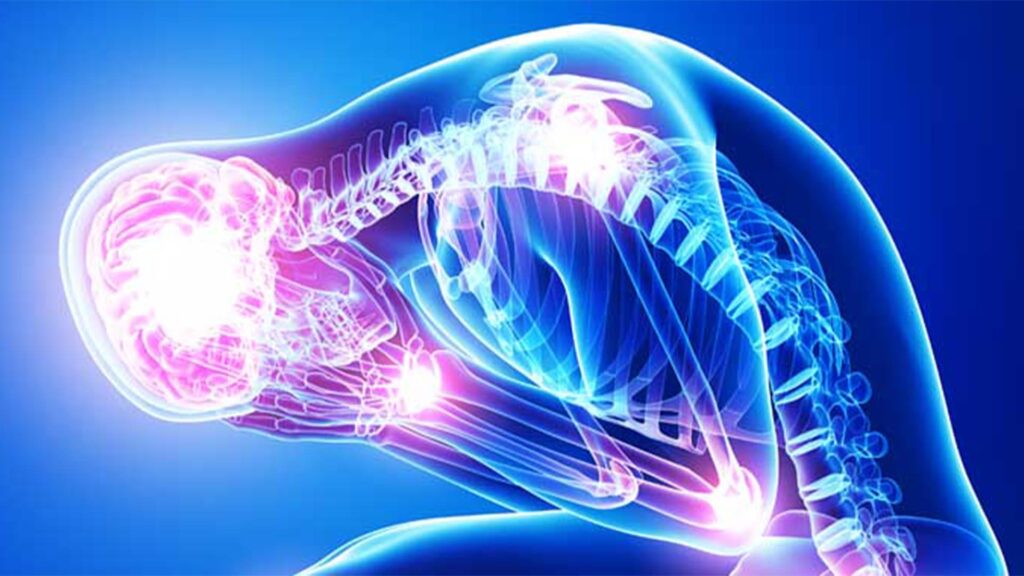
When Agni is weak, digestion becomes inefficient, and your body struggles to absorb nutrients. This can lead to a variety of digestive problems such as bloating, constipation, diarrhea, indigestion, and other gastrointestinal disorders. Additionally, digestive issues can affect your emotional and mental well-being, leading to conditions like anxiety and depression.
How to Strengthen Agni
To strengthen Agni and improve digestion, Ayurveda offers various methods that focus on both diet and lifestyle. These principles include:
- Eating According to Your Dosha: Ayurveda emphasizes the importance of choosing foods that suit your specific dosha (Vata, Pitta, or Kapha). Consuming foods that harmonize with your body type helps enhance Agni.
- Eating Fresh, Natural Foods: Ayurveda advocates for eating fresh and natural foods, which are easier to digest and allow the body to absorb nutrients more effectively.
- Timing of Meals: The timing of meals is crucial. For instance, Ayurveda recommends having a light breakfast, a substantial lunch, and a light dinner. This helps the body efficiently digest food.
- Drinking Warm Water: Drinking warm water throughout the day aids digestion and promotes the elimination of toxins through sweat and urine.
- Avoiding Incompatible Food Combinations: Certain food combinations can disrupt digestion. For example, consuming dairy with sour fruits or heavy foods with excessive liquids can hinder digestion.
- Eating Mindfully and Calmly: Ayurveda stresses the importance of eating with mindfulness and full attention, allowing the body to digest food more efficiently and absorb nutrients optimally.
Agni in Modern Science and Its Connection to Digestion
In modern science, the importance of digestion and systems such as the gut microbiome, enzymes, and hormones is well understood. Research indicates that the microbiome—the collection of bacteria and microorganisms in the gut—plays a significant role in digestion and nutrient absorption. Disruptions in this microbiome can lead to digestive problems and chronic diseases.
Modern science also highlights the role of metabolism and enzymatic reactions in digesting food and absorbing nutrients, which aligns closely with the Ayurvedic principles of strengthening Agni. Thus, both in modern science and Ayurveda, attention to digestive health and strengthening Agni is recognized as a key factor in overall well-being.
Conclusion
Agni in Ayurveda plays a crucial role in digestive health and overall balance. Strengthening this digestive fire through a diet tailored to your dosha, eating fresh foods, drinking warm water, and following principles like mindful eating and proper meal timing can significantly improve digestive function and overall health. Modern science similarly emphasizes the importance of digestion and the gut microbiome. Integrating both systems can provide an effective path to achieving better health.
© 2025. All Rights Reserved.